
Past, Present and Future Lifestyles
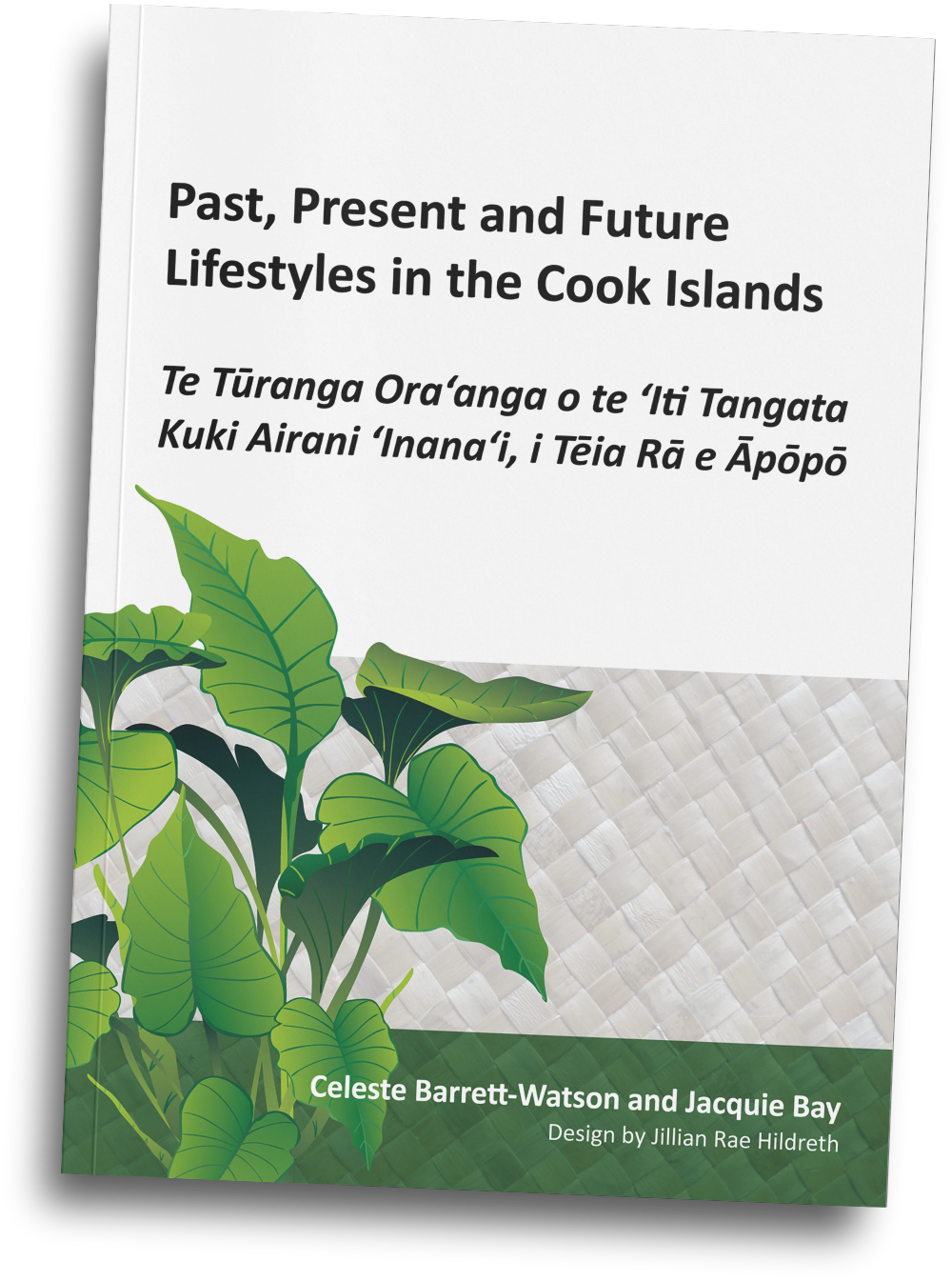
Te Tūranga Ora‘anga o te ‘Iti Tangata Kuki Airani ‘Inana‘i, i Tēia Rā e Āpōpō has been developed in response to the popularity of our previous resource Two Hundred Years of Lifestyle Change on Rarotonga, used across many Year 9 Social Studies classes in the Cook Islands following its release in 2017.
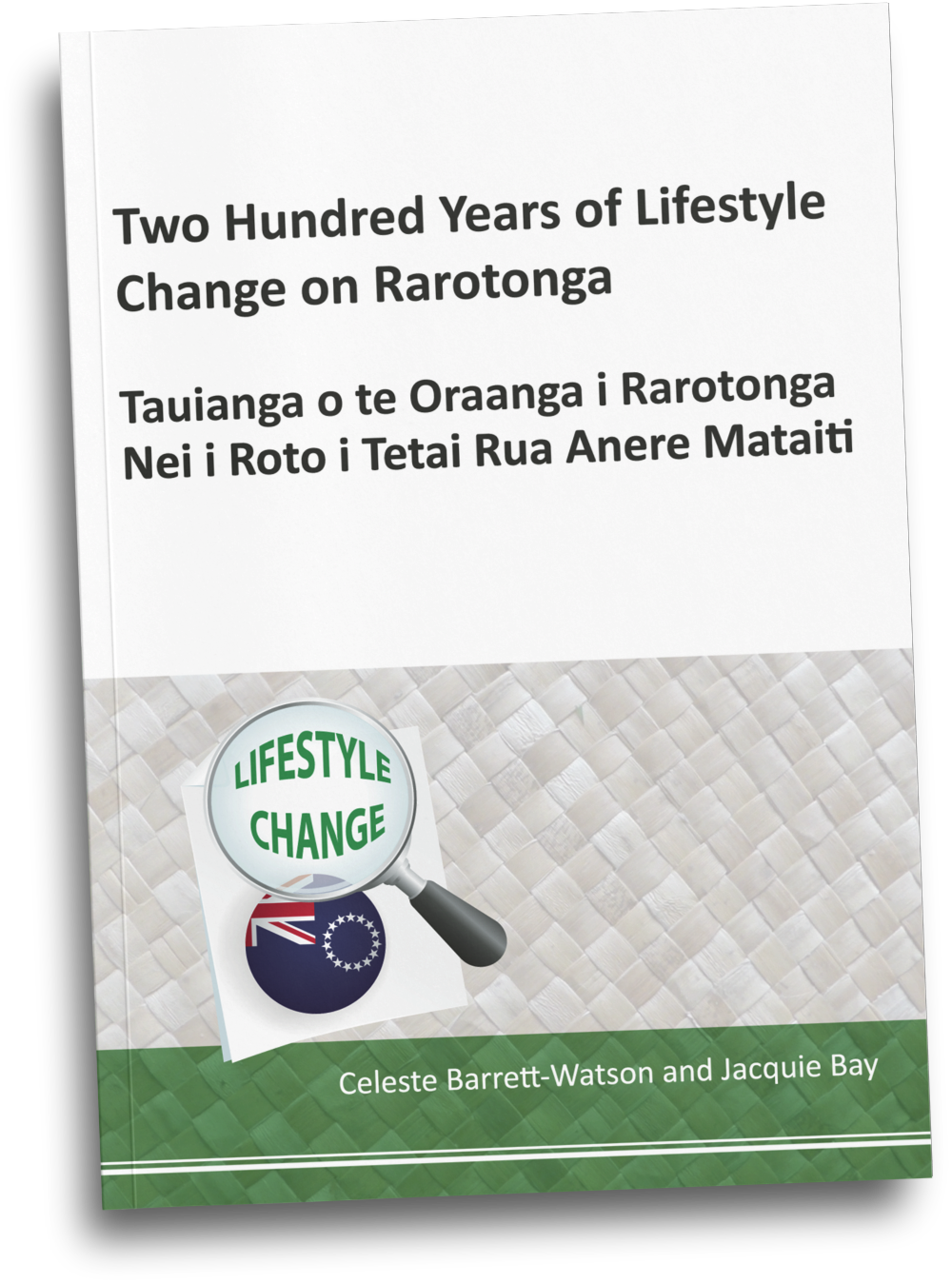
Two Hundred Years of Lifestyle Change on Rarotonga was developed alongside Me, Myself, My Environment: Kai no te Oraanga Meitaki in order to integrate teaching and learning of PSHLP topics across the curriculum. The Social Studies resource supports and extends Science learning around non-communicable diseases (NCDs) in Cook Islands communities
Focusing on Rarotonga as a case study, it supports students to investigate this issue by exploring societal changes over time, and how these have impacted Cook Islanders’ lifestyles, including effects on diet, living conditions, physical activity, and the nature of work. By developing an understanding of how these factors contribute to increased rates of NCDs in the Cook Islands and the wider Pacific, students are better equipped to make evidence-based decisions now and in the future.
This revised edition, Te Tūranga Ora‘anga o te ‘Iti Tangata Kuki Airani ‘Inana‘i, i Tēia Rā e Āpōpō: Past, Present and Future Lifestyles in the Cook Islands responds to student and teacher feedback, including a call from Southern Pa Enua schools to increase content specific to their contexts via a series of case studies.
Students using the 200 Years resource were interested in discovering how aspects of their lifestyles today have been greatly influenced by historical phases. They showed enthusiasm and enjoyment in learning, were keen to share their knowledge and were interested in how lifestyles will change in the future, particularly regarding resilience and food security.
What’s new in Past, Present and Future Lifestyles?
Both learning resources have clear links to the Cook Islands Social Science Curriculum in both content and skills. Overall feedback from Y9 classes regarding 200 Years was extremely positive, with both student and teachers happy to be using a truly Cook Islands-contextualised, extensive learning resource where content was supported by a range of relevant tasks that were easily delivered and able to be differentiated.
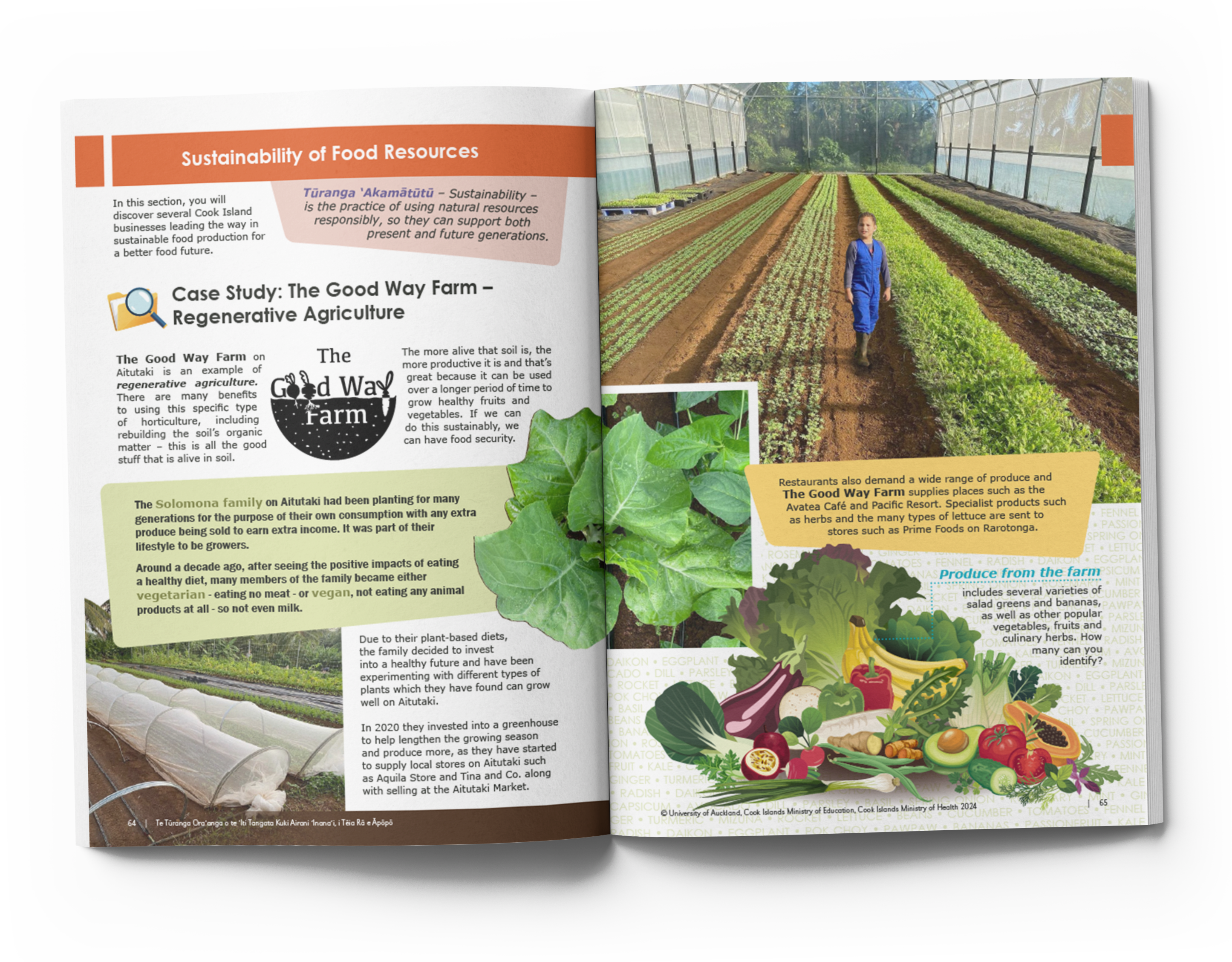
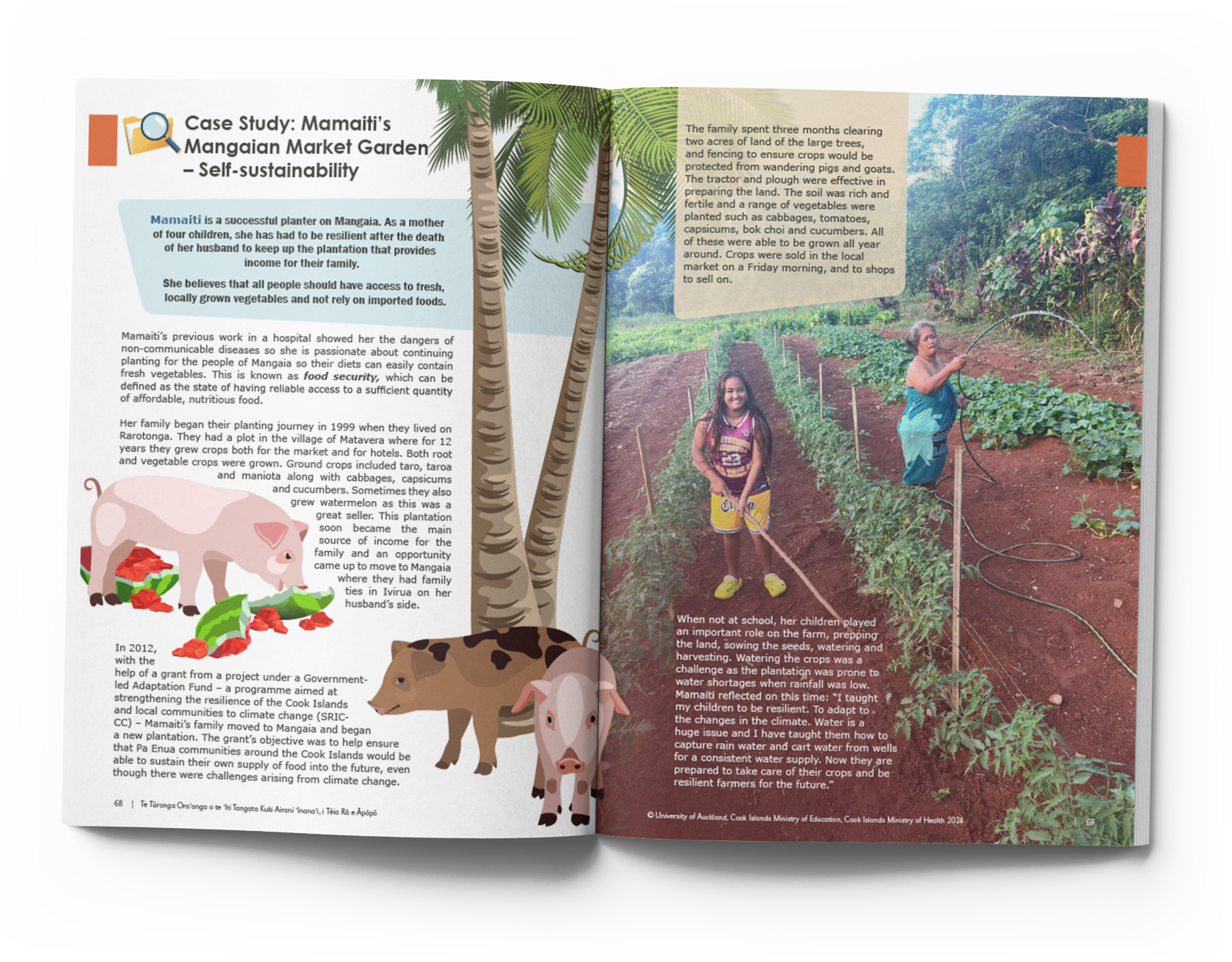
- Feedback from teachers, particularly those in the Pa Enua, or with strong Pa Enua connections, were wanting to see more content focused on the Pa Enua itself. This was achieved using a number of case studies across all Southern Pa Enua.
- A focus goup of students who had used the 200 Years resource highlighted an interesting in seeing more future-focused case studies. A number of these were added, centering around the concept of food security.
- Collection of “stories” to develop the case studies occurred over a number of months through both secondary and primary information gathering:
- Historical data collection at places such as the Cook Islands Ministry of Culture archive – especially photographs – brought that period to life for students
- Health data was gathered from Te Marae Ora (Cook Islands Ministry of Health) for students to deep-dive into evidence of the NCD burden
- Personal interviews with key figures in health and lifestyle – past, present and future – took place across Rarotonga and the Southern Pa Enua
The EBook versions of Two Hundred Years of Lifestyle Change in Rarotonga and Te Tūranga Ora‘anga o te ‘Iti Tangata Kuki Airani ‘Inana‘i, i Tēia Rā e Āpōpō: Past, Present and Future Lifestyles in the Cook Islands are freely available for download below.
- The EBooks are best viewed using Adobe Digital Editions or iBooks.
- These are large files, and may take some time to download.
- Hard copies of both resources can be purchased directly from the publisher – Read Pacific Publishers Ltd.

Ko‘ai Mātou | About Us
Learn more about our work, partnerships and engagement
Tua Tāpapa | Our History
Discover the milestones and story behind our journey
Te Aronga ‘Anga‘anga | Our People
Meet our team