
Introduction to DOHaD for Teachers
This series of e-learning modules developed for teachers introduce the concept of Developmental Origins of Health and Disease (DOHaD), and explain why the first 1000 days of a child’s life are so important for tackling non-communicable diseases.

Introduction to DOHaD
This module provides an introduction to the concept of Developmental Origins of Health and Disease (DOHaD). It covers:
- How the idea of DOHaD emerged through the work of notable researchers
- How the pattern for lifelong health is laid down in early life
- How an individual’s response to the nutritional environment is mediated through changes in developmental pathways

Non-communicable Diseases
This module provides an introduction to non-communicable diseases (NCDs). It covers:
- What are NCDs?
- The global prevalence of NCDs and their impact on communities
- How exposure to certain factors in early life can contribute to NCDs

Epigenetics
This module provides an introduction to epigenetic concepts. It covers:
- What is meant by epigenetics and how is it relevant to development?
- Epigenetic processes and how they affect gene expression
- Epigenetic changes and their causes
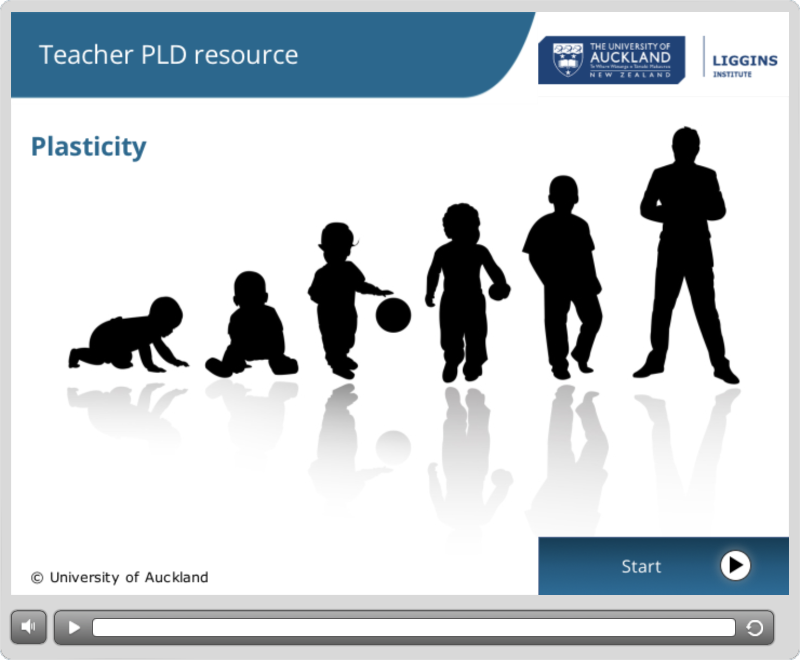
Plasticity
This module provides an introduction to developmental plasticity. It covers:
- What is plasticity?
- Interaction between genes and the environment
- Adaptations to the nutritional environment
The First 1000 Days
This module discusses the effects of nutrition on the fetus and in childhood. It covers:
- Fetal nutrition and fetal growth
- Low birth weight and postnatal growth
- The metabolic impact of nutritional interventions
Maternal Nutrition: Evidence from Human Studies
This module discusses maternal nutrition based on studies done in humans. It covers:
- Maternal nutrition and its impact on development
- The effects of a mother’s undernutrition on a developing fetus
- How overnutrition affects a developing fetus
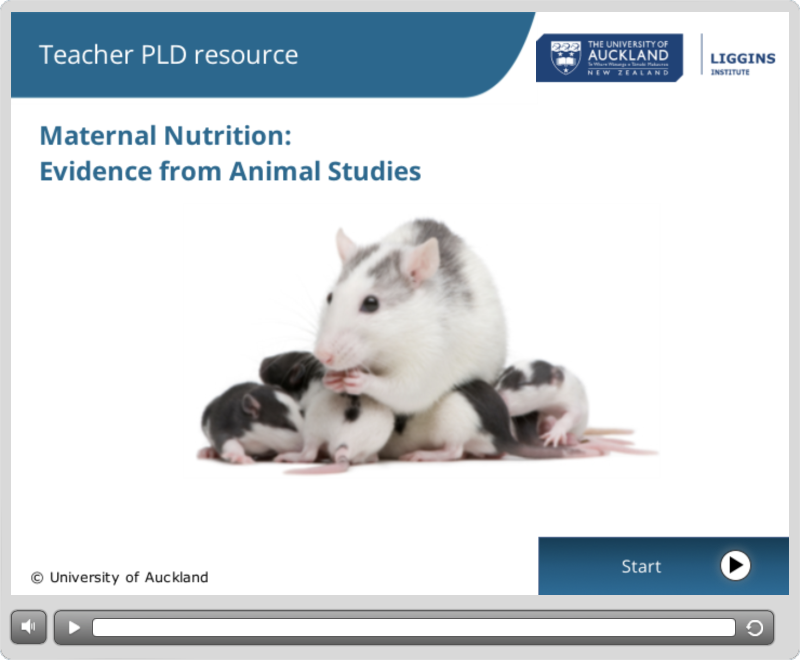
Maternal Nutrition: Evidence from Animal Studies
This module discusses maternal nutrition based on studies done with animal models. It covers:
- Evidence from animal studies on periconceptional and moderate maternal undernutrition
- Evidence from animal studies on maternal overnutrition
- The effects of the maternal obesogenic environment on the fetus
Ko‘ai Mātou | About Us
Learn more about our work, partnerships and engagement
Tua Tāpapa | Our History
Discover the milestones and story behind our journey
Te Aronga ‘Anga‘anga | Our People
Meet our team