
Case Study: Nukutere College

Nukutere College is a private junior secondary school on Rarotonga, offering Catholic education for students in Years 7 to 11. Since 2012, Nukutere College staff have contributed significantly to shaping PSHLP and later Ora‘anga Tūmanava, integrating its principles into teaching, learning, and staff development.
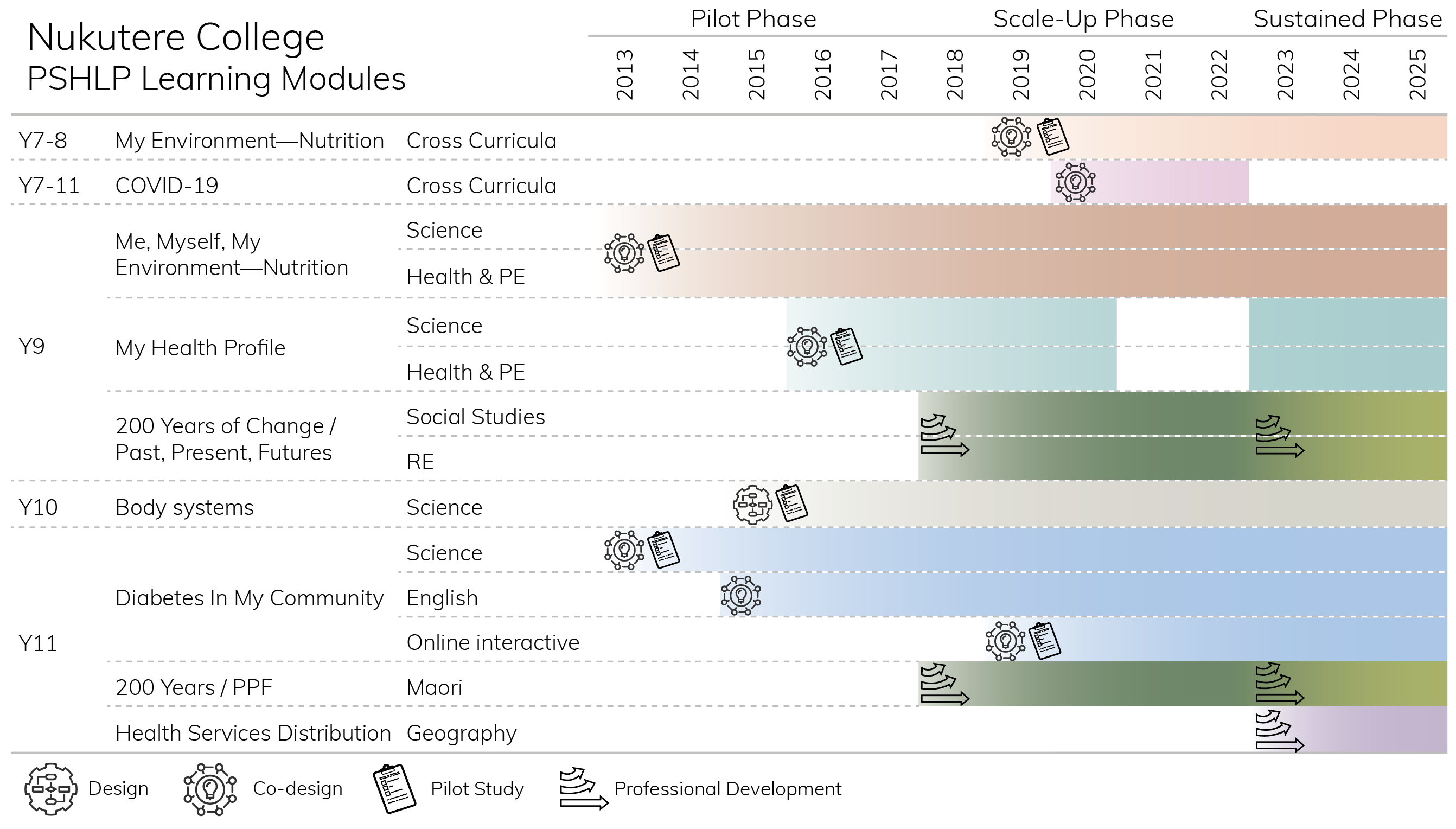
Project timeline
 |
|
 |
|
 |
|
 |
|
 |
|
 |
During COVID-19:
|
 |
|
 |
|
 |
Impact highlights
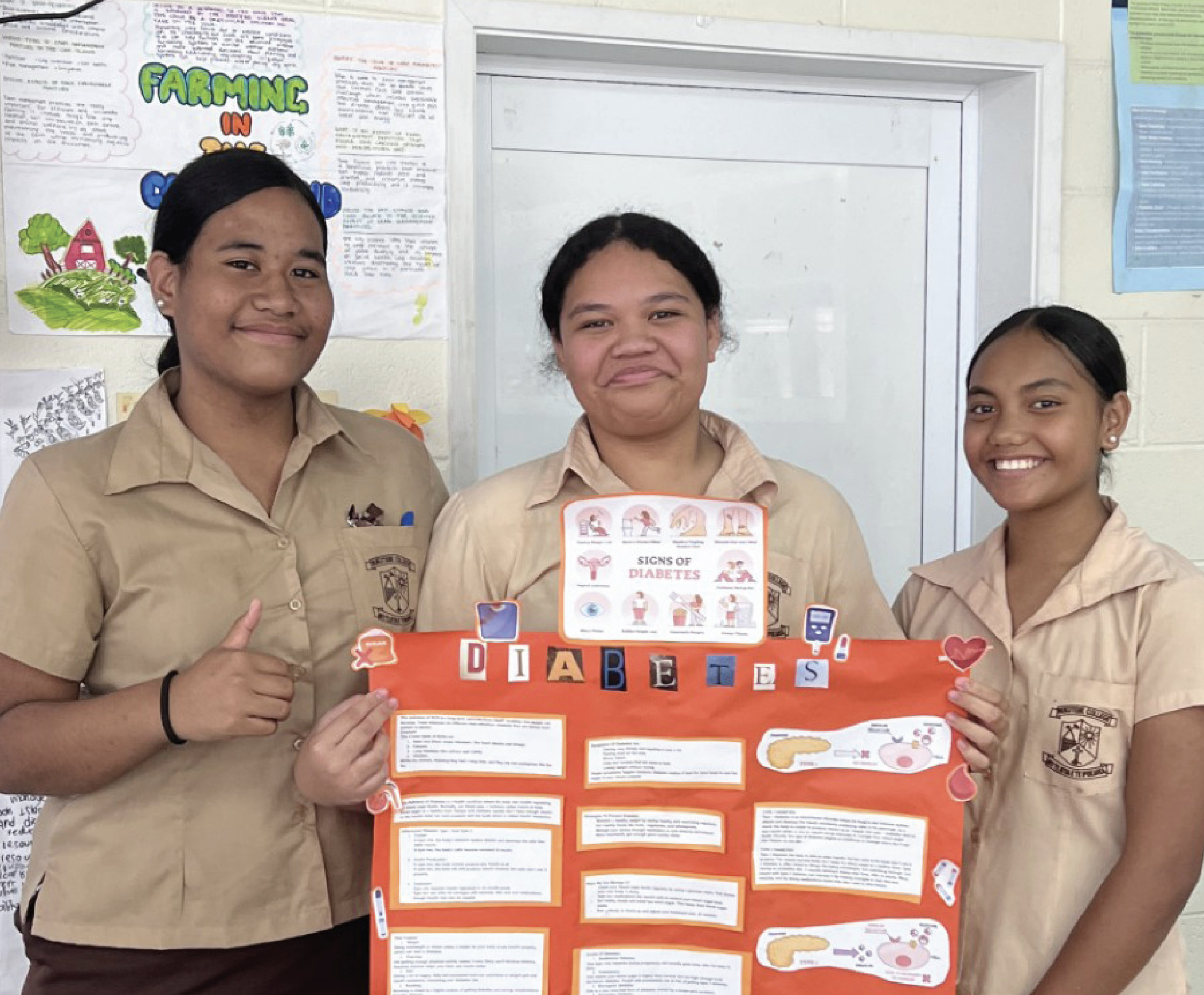
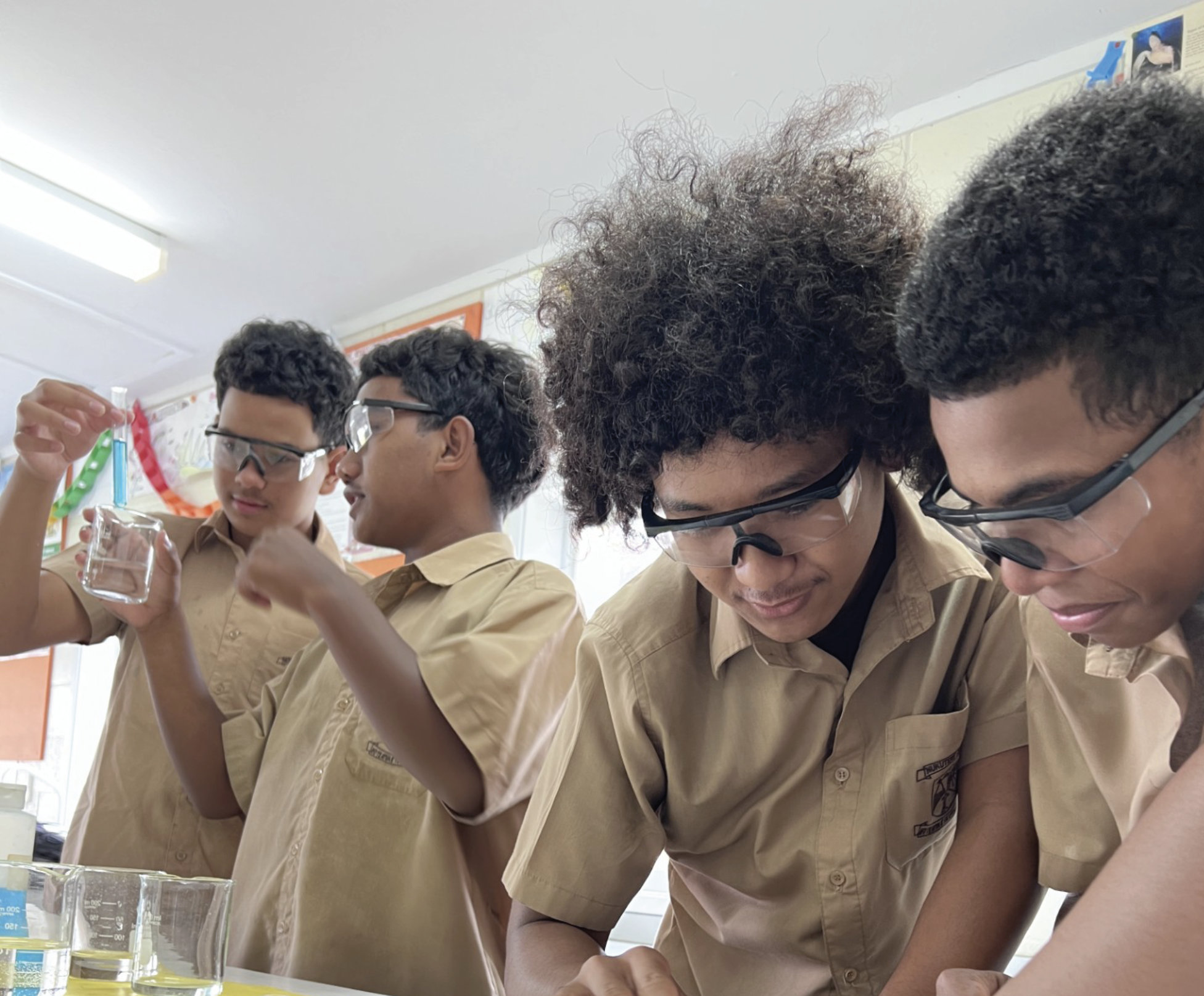
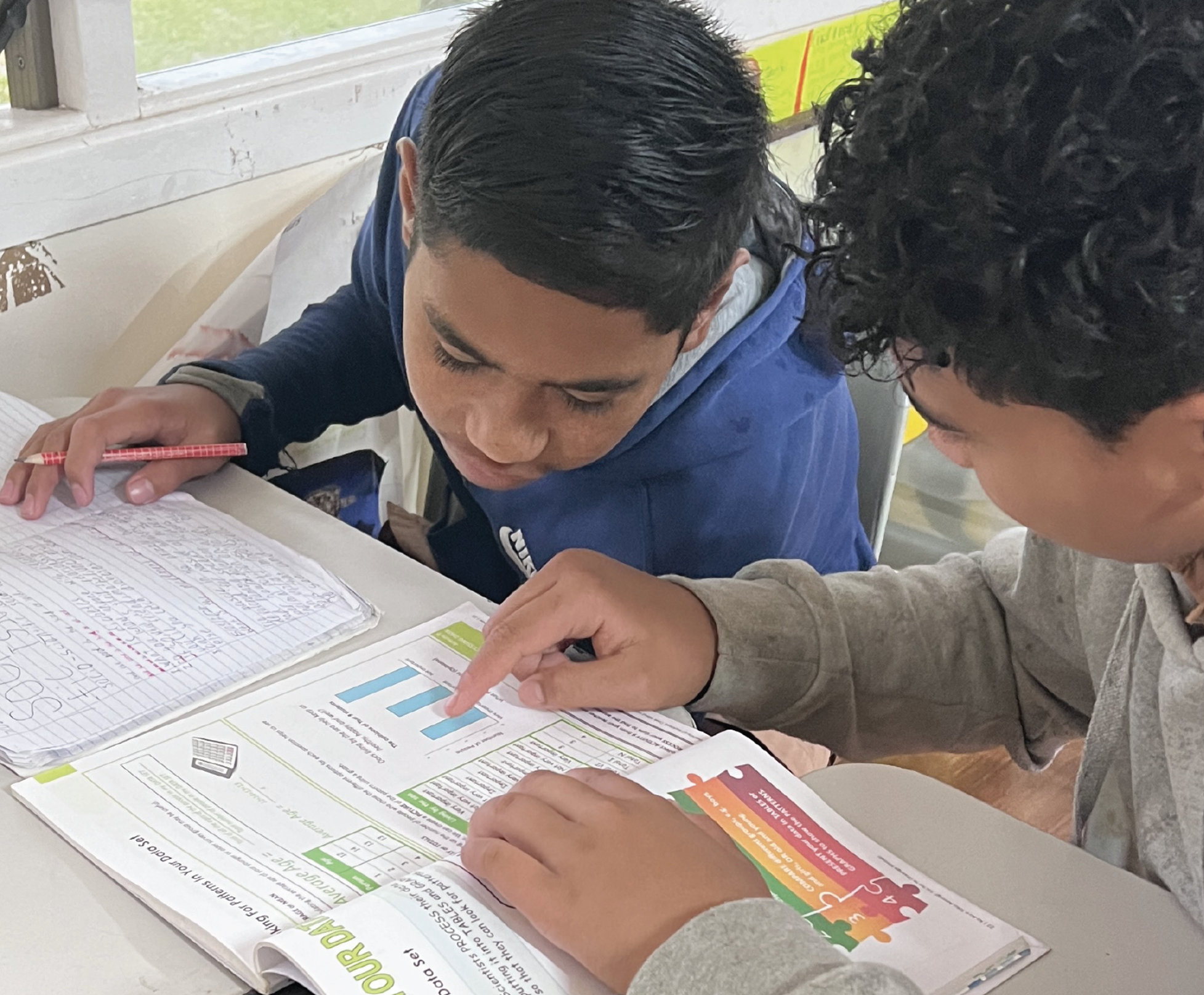
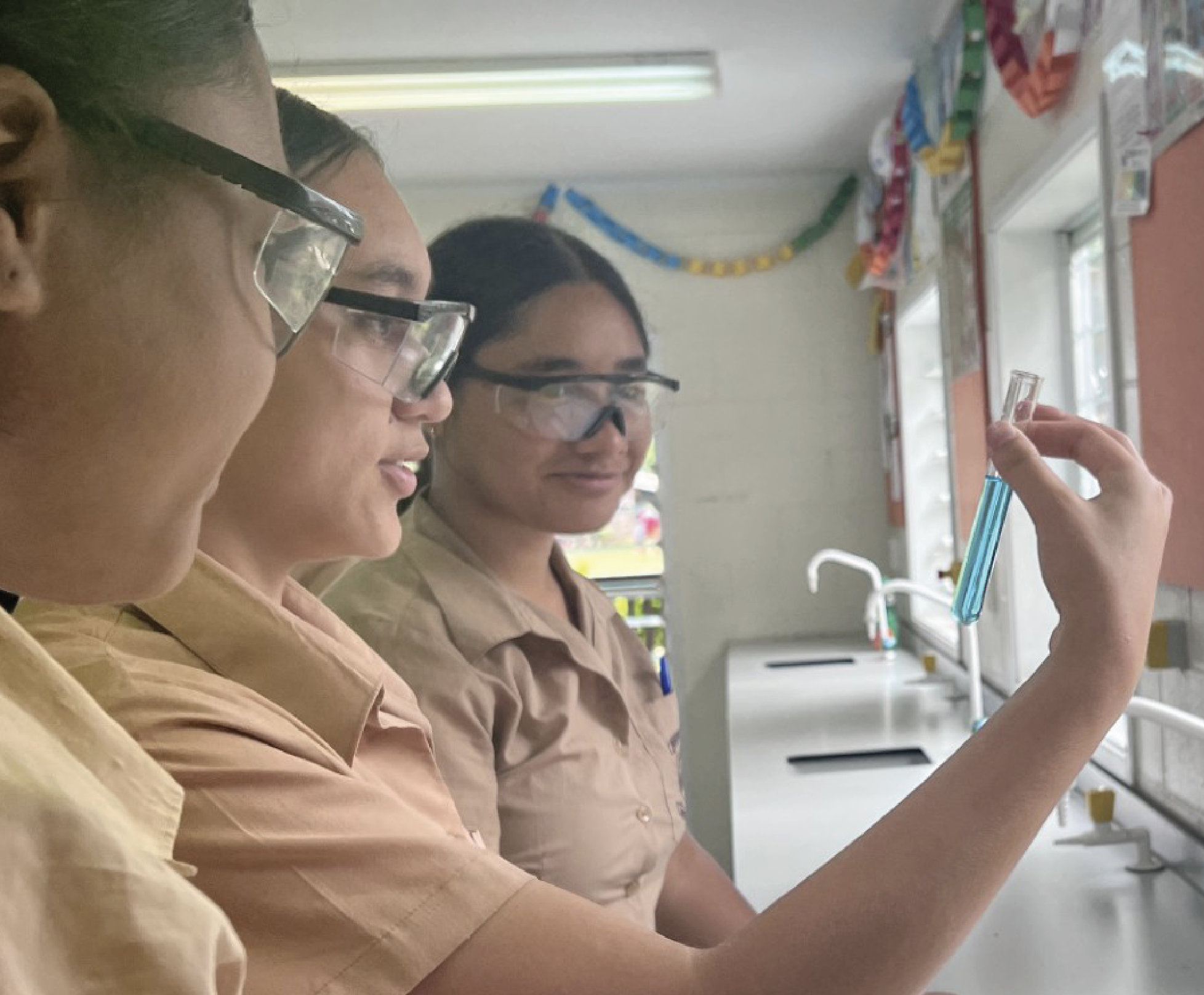
PSHLP introduced an innovative approach to education at Nukutere College, making an immediate impact. Students gained access to “real and meaningful data,” had direct interactions with scientists (who were once seen as distant figures in white coats), and engaged in learning that connected deeply with their daily lives.
As both students and staff exchanged stories, they developed a shared sense of purpose in addressing a very real issue. Comments like, “But Mr. Foster, you look so normal!” highlighted the students’ newfound awareness that the impact of NCDs is far more widespread than they had realised.
One staff member, moved by reading a student’s work on gestational diabetes and its lasting effects, commented that she would have made different life choices had she experienced science in such a relatable way. This realisation inspired students to continue spreading their newfound knowledge.
Future vision
- To effectively integrate the learning module deeper into the school curriculum, fostering continuous engagement with data to raise awareness, challenge stereotypes, and empower youth.
- The goal is to inspire young people to become agents of change, helping them understand that our small population is fragile and must be safeguarded.
Ko‘ai Mātou | About Us
Learn more about our work, partnerships and engagement
Tua Tāpapa | Our History
Discover the milestones and story behind our journey
Te Aronga ‘Anga‘anga | Our People
Meet our team